A painful lump near the anus, swelling, or pus discharge can sometimes indicate an anal abscess. Although the symptoms may feel embarrassing to discuss, an anal abscess is an infection that needs timely medical assessment. Recognising the warning signs can help you understand when to seek care and what treatment may be required.
If you are experiencing persistent anal pain, redness, swelling, fever, or discharge, do not assume that it is simply piles. Different anorectal conditions can cause similar symptoms, and a medical examination is important to identify the cause.
Quick Answer: What Is an Anal Abscess?An anal abscess is a collection of pus caused by an infection in or around the anus or rectum. Common symptoms include pain, swelling, tenderness, redness, and sometimes fever or pus discharge. Treatment often involves drainage by a qualified healthcare professional. An anal abscess should not be squeezed or drained at home.
What Is an Anal Abscess?
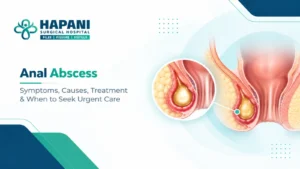
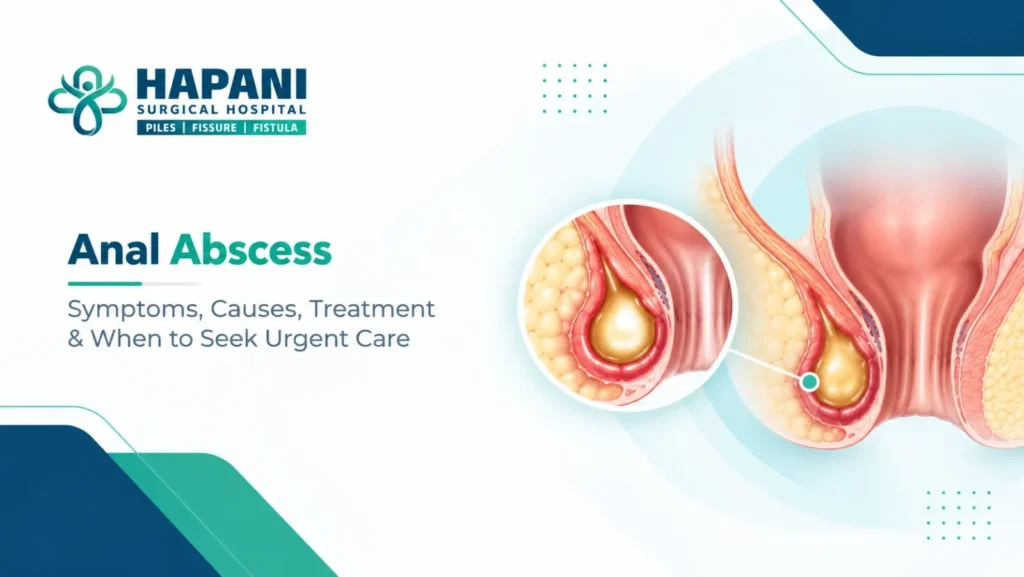
An anal abscess is a pocket of pus that forms because of an infection near the anus or rectum. It commonly develops when a small gland inside the anal canal becomes blocked and infected. The infection can cause pressure, swelling, and significant pain in the surrounding tissues.
An abscess may appear as a tender lump close to the anal opening. However, some abscesses develop deeper inside the tissues and may not be visible externally. Deep infections can cause substantial pain even when there is little visible swelling.
An anal abscess is different from piles, an anal fissure, and an anal fistula. Since the symptoms can overlap, a healthcare professional should evaluate persistent or severe symptoms before treatment is chosen.
Common Causes of an Anal Abscess
The most common cause of an anal abscess is an infection involving the glands around the anal canal. Bacteria can enter the gland, multiply, and lead to a collection of pus.
1. Blocked or Infected Anal Glands
Small glands inside the anal canal can become blocked and infected. When pus collects in the affected area, an abscess may develop. This is a common cause of perianal abscesses.
2. Inflammatory Bowel Conditions
Conditions such as Crohn’s disease can increase the risk of inflammation, abscess formation, and related complications around the anus. People with a known inflammatory bowel condition should discuss new anal pain or swelling with their treating doctor.
3. Diabetes and Reduced Immune Function
People with diabetes or a weakened immune system may be more vulnerable to certain infections or complications. New swelling, pain, or discharge around the anus should be assessed promptly, especially when an underlying medical condition affects healing.
4. Previous Anal Abscess or Fistula
An abscess can recur in some patients. A persistent infection or an underlying anal fistula may contribute to repeated swelling, pain, or discharge from the same area.
5. Other Local Infections or Medical Conditions
Less commonly, other inflammatory or infectious conditions may contribute to an abscess near the anus. A proper examination helps identify the underlying cause and determine whether further tests are needed.
Important:Do not squeeze, puncture, or attempt to drain a painful lump near the anus yourself. This can worsen the infection or spread it to surrounding tissues. Arrange a medical assessment instead.
Anal Abscess Symptoms
Symptoms vary depending on the size and location of the abscess. A superficial abscess may cause a visible lump, while a deeper abscess may produce severe pain without an obvious external swelling.
Common Warning Signs
- Pain near the anus: Persistent, throbbing, or worsening pain that may become more noticeable while sitting or moving.
- Swelling or a tender lump: A painful area near the anal opening that may feel warm or sensitive to touch.
- Redness or skin irritation: The surrounding skin may appear red, inflamed, or swollen.
- Pus discharge: Pus may drain from the affected area, sometimes with an unpleasant smell.
- Fever or chills: These may indicate that the infection is affecting the body more broadly.
- Pain during bowel movements: Pressure around the affected area may make passing stool uncomfortable.
- Feeling generally unwell: Some people experience weakness, fatigue, or discomfort along with the local symptoms.
Not everyone experiences all these symptoms. The absence of fever or visible swelling does not necessarily rule out an abscess, particularly when pain is persistent or worsening.
Types of Anal Abscess
Anal abscesses are classified according to where the infection develops. The location can affect the symptoms, examination findings, and treatment approach.
Perianal Abscess
A perianal abscess develops in the tissues close to the anal opening. It may appear as a painful, swollen lump and can cause tenderness when sitting or moving.
Deeper Anorectal Abscess
An abscess can also develop in deeper spaces around the rectum. These infections may cause significant pain or pressure without an obvious external lump. Some cases require examination under anaesthesia or imaging to determine the extent of the infection.
The exact type and location must be established by a healthcare professional. Treatment should not be selected solely from the appearance of the swelling.
Anal Abscess vs Anal Fistula: What Is the Difference?
An anal abscess and an anal fistula are related conditions, but they are not the same. An abscess is a collection of pus caused by infection, whereas a fistula is an abnormal tunnel connecting the anal canal or rectum to the skin near the anus.
| Feature | Anal Abscess | Anal Fistula |
|---|---|---|
| What it is | A collection of pus caused by infection. | An abnormal tunnel between the anal canal or rectum and nearby skin. |
| Common symptoms | Pain, swelling, tenderness, and sometimes fever. | Repeated discharge, a small opening in the skin, irritation, or recurring swelling. |
| Typical treatment | Often requires drainage by a healthcare professional. | Frequently requires a procedure or surgery, depending on the fistula’s anatomy. |
| Relationship | An abscess may be the first sign of an anorectal infection. | A fistula can develop after an abscess, although this does not happen in every case. |
Some patients develop an anal fistula after an abscess has drained or been treated. Persistent or recurring pus discharge, repeated swelling, or a wound that does not heal should be evaluated for a possible fistula.
Learn more about anal fistula treatment and the available treatment approaches.
How Is an Anal Abscess Diagnosed?
A healthcare professional usually begins by reviewing the patient’s symptoms, medical history, and the duration of the pain or swelling. An examination may help identify a superficial abscess and assess the surrounding tissues.
Medical Examination
The clinician may inspect the affected area and, when appropriate, perform a gentle examination to assess the source of the symptoms. The examination method depends on the patient’s pain, the suspected location of the abscess, and clinical findings.
Additional Tests or Imaging
Not every patient needs imaging. If a deep or complex abscess is suspected, the clinician may recommend imaging such as MRI or CT, or another appropriate investigation. These tests can help determine the location and extent of the infection.
Early assessment is important because a deeper abscess may not be visible on the skin. The diagnosis should guide the treatment plan.
Anal Abscess Treatment Options
Treatment depends on the size, depth, location, and severity of the infection, along with the patient’s overall health. A clinician must determine the appropriate approach after examining the affected area.
1. Drainage of the Abscess
Many anal abscesses require a procedure to open and drain the collection of pus. The procedure may be performed using local or general anaesthesia, depending on the location, size, and complexity of the abscess.
Drainage helps remove the pus and relieve pressure caused by the infection. Deeper or more complex abscesses may require treatment in an operating theatre or hospital setting.
2. Antibiotics When Indicated
Antibiotics may be prescribed in selected situations, such as when there is spreading infection, certain associated medical conditions, or a weakened immune system. However, antibiotics alone are not a substitute for drainage when a drainable abscess requires a procedure.
Patients should not start leftover antibiotics or use prescription medicines without medical advice.
3. Treatment of Associated Conditions
If the clinician identifies an underlying anal fistula or another condition, additional treatment may be required. The treatment plan may differ from the initial procedure used to drain the abscess.
4. Follow-Up and Wound Care
After drainage, the healthcare team may recommend cleaning instructions, dressings, warm sitz baths, pain relief, and follow-up examinations. The specific instructions depend on the procedure performed and the patient’s recovery.
Do not delay care for a suspected abscess.Warm baths may temporarily ease discomfort, but they do not reliably treat an established abscess. Do not rely on home remedies instead of a medical assessment.
Can an Anal Abscess Heal on Its Own?
Some abscesses may rupture and release pus spontaneously. However, spontaneous drainage does not guarantee that the infection has completely resolved. A remaining infected cavity may persist, and the symptoms can return.
Even if the pain improves after pus drains, medical evaluation is advisable to determine whether further treatment is needed and whether a fistula or another complication may be present.
Do not try to burst the lump yourself. If it opens on its own, gently keep the area clean, use a clean dressing if needed, and seek medical advice about the next steps.
Recovery and Aftercare Following Anal Abscess Treatment
Recovery varies according to the size and location of the abscess, the procedure performed, and the patient’s general health. Some patients can return home the same day, while others may need additional observation or treatment.
Follow Your Wound-Care Instructions
Keep the affected area clean and change dressings as directed by the treating team. Follow the instructions provided for bathing, wound cleaning, and any prescribed medicines.
Manage Bowel Movements
Staying hydrated and eating a balanced diet with adequate fibre may help reduce constipation and straining. If bowel movements are painful or difficult, ask the clinician whether a stool softener or another treatment is appropriate.
Attend Follow-Up Appointments
Follow-up helps the clinician assess healing and identify persistent infection or a possible fistula. Contact the treating team if pain increases, swelling returns, or new discharge develops.
Know the Signs of Complications
Seek prompt medical advice if you develop fever, worsening pain, increasing redness or swelling, or foul-smelling discharge. Severe symptoms or signs of spreading infection may require urgent assessment.
When Should You Seek Urgent Medical Care?
A painful lump near the anus should not be ignored, particularly if an abscess is suspected. Prompt assessment can help determine whether drainage or other treatment is necessary.
Arrange Prompt Medical Assessment If You Have:
- A painful or enlarging lump near the anus.
- Persistent or throbbing anal pain.
- Pus or unusual fluid discharge.
- Redness, warmth, or swelling around the affected area.
- Recurring swelling or discharge from the same spot.
Seek Urgent Care If You Have:
- Anal pain accompanied by fever or chills.
- Rapidly worsening pain or swelling.
- Redness or swelling that appears to be spreading.
- Marked weakness, confusion, faintness, or feeling severely unwell.
People with diabetes or a weakened immune system should be particularly cautious about possible infections and seek prompt medical advice.
Emergency warning:If you have severe or rapidly worsening symptoms, high fever with chills, confusion, fainting, or feel seriously unwell, seek emergency medical care. Do not wait for a routine appointment.
Can an Anal Abscess Be Prevented?
Not every anal abscess can be prevented because many develop from infections involving the anal glands. However, certain steps may help support general health and reduce the risk of complications.
- Maintain gentle hygiene around the anal area and avoid harsh products that irritate the skin.
- Manage diabetes and other relevant medical conditions with appropriate healthcare support.
- Seek assessment for persistent anal pain, swelling, or unusual discharge.
- Follow treatment and wound-care instructions after an abscess has been drained.
- Attend follow-up appointments if an abscess recurs or a fistula is suspected.
Good hygiene alone cannot guarantee prevention. Early medical evaluation is important when symptoms develop.
Anal Abscess Treatment in Ahmedabad
If you are experiencing pain, swelling, or discharge around the anus, a medical consultation can help determine whether the symptoms are caused by an anal abscess, fistula, piles, or another condition.
Hapani Surgical Hospital in Ahmedabad provides care for anorectal conditions, including piles, fissures, and fistulas. The appropriate treatment for a suspected abscess depends on clinical assessment, the location of the infection, and the patient’s individual needs.
During a consultation, discuss when the symptoms started, whether the pain is increasing, whether you have noticed fever or discharge, and whether similar symptoms have occurred before.
Experiencing Anal Pain or Swelling?
Do not ignore persistent pain, a painful lump, or pus discharge near the anus. Arrange a medical assessment to understand the cause and discuss the appropriate treatment.
Hapani Surgical Hospital, Ahmedabad
Contact Hapani Surgical Hospital
Phone: +91 92652 72404
Frequently Asked Questions About Anal Abscess
1. What are the first signs of an anal abscess?
Early symptoms may include tenderness, pain, swelling, or a painful lump near the anus. Some people also develop fever or feel unwell. Deep abscesses may cause significant pain without an obvious lump.
2. Is an anal abscess the same as piles?
No. An anal abscess is a collection of pus caused by infection, whereas piles are swollen blood vessels in the anal or rectal area. Both can cause discomfort, but the appropriate treatment is different.
3. Can an anal abscess heal without surgery?
Some abscesses may drain spontaneously, but this does not guarantee that the infection has resolved. Many anal abscesses require professional drainage. A clinician should assess the condition and recommend the appropriate treatment.
4. Are antibiotics enough to treat an anal abscess?
Not always. Antibiotics may be recommended in selected circumstances, but an abscess that requires drainage generally cannot be treated adequately with antibiotics alone. The treatment decision depends on the clinical findings.
5. Can an anal abscess turn into a fistula?
Yes. An anal fistula can develop after an anal abscess, but this does not happen in every patient. Persistent or recurring pus discharge, swelling, or a wound that does not heal should be assessed by a healthcare professional.
6. What happens if an anal abscess bursts on its own?
Pain may temporarily improve after pus drains, but infection can remain. Keep the area clean, use a clean dressing if needed, and arrange medical assessment. Do not squeeze the area or assume that it has healed completely.
7. How long does an anal abscess take to heal?
Healing time varies depending on the size and depth of the abscess, the treatment performed, and the patient’s general health. Follow the treating clinician’s wound-care advice and attend follow-up appointments to monitor recovery.
8. When should I see a doctor for a painful lump near the anus?
Arrange prompt medical assessment for a painful or enlarging lump, persistent pain, swelling, or pus discharge. Seek urgent care if the symptoms are accompanied by fever, chills, rapidly worsening pain, or spreading redness.
9. Can an anal abscess come back after treatment?
Yes, recurrence can occur. A persistent infection, an underlying fistula, or other medical factors may contribute. If pain or swelling returns after treatment, contact your healthcare professional for reassessment.
10. Where can I seek evaluation for anal abscess symptoms in Ahmedabad?
You can contact Hapani Surgical Hospital in Ahmedabad to enquire about consultation for anorectal symptoms. If you have severe pain, fever, or signs of a spreading infection, seek urgent medical care rather than delaying assessment.
Medical DisclaimerThis article is intended for general educational purposes and does not replace professional medical advice, diagnosis, or treatment. Symptoms around the anus can have several causes. Consult a qualified healthcare professional for an accurate diagnosis and personalised treatment plan. Seek urgent care for severe pain, fever, chills, or signs of a spreading infection.